Skip to content
walkwalk.
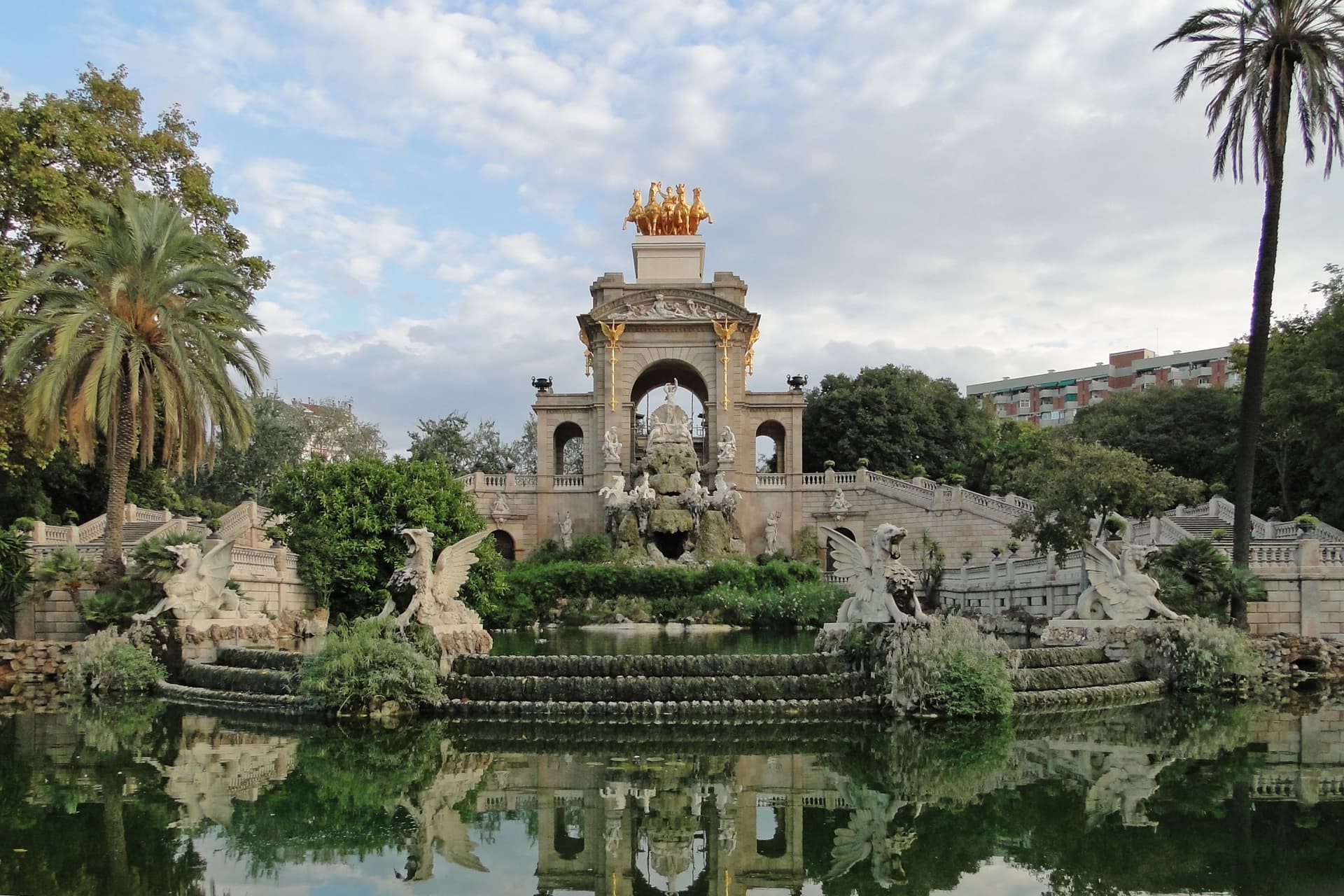
The Parc de la Ciutadella: the city's front garden
parklandheritage

The Parc de la Ciutadella: the city's front garden

A Gaudí-touched fountain, a boating lake, a parliament, and the brick castle that started it all.

Photo: Bernard Gagnon / Wikimedia Commons, CC BY-SA 3.0

Drafted by Claude — the editor hasn’t walked this one yet. We’ll update this notice once it’s been verified on the ground.

Distance

3 km

Time

~ 75 min

Difficulty

Easy

End

Arc de Triomf (L1)

Best at

morning

Right now
29°C· Mostly clear

Open in Maps for turn-by-turn, or take it offline as GPX.

The Parc de la Ciutadella sits where a hated fortress once stood — the citadel Barcelona was forced to build, then gleefully tore down. For decades after, this was the city's only green space, and it still feels like its front garden: parliament, museums, a zoo, a lake, and a fountain a teenage Gaudí helped raise.

Three kilometres, an easy morning. Start at the Arc de Triomf — red brick, built to welcome the world to the 1888 fair, not to mark a battle. Walk the palm promenade down to the gates. Inside, bear left for the Castell dels Tres Dragons, Domènech i Montaner's brick pavilion and one of the first true notes of modernisme.

The middle of the walk is the Cascada: Fontserè's monumental fountain, with the young Gaudí on the rockwork. Climb the terrace, then drift to the boating lake — row if you like, or don't. The mammoth statue is worth the small detour.

Finish quietly. The Hivernacle glasshouse, then the plaça before the Parlament, where the Desconsol statue weeps into a still pond. The Arc de Triomf metro is a five-minute walk back the way you came.
The route

On the map.

Elevation

86 m·99 m·227 m ASL

Stops along the way

Things to notice.

  1. 01
    1

    Arc de Triomf

    Start under the red-brick arch. Built for the 1888 World's Fair, not for a war — which is why it's friendlier than the Paris one. Walk the wide promenade of palms straight down towards the park.

  2. 02
    2

    Castell dels Tres Dragons

    Domènech i Montaner's brick-and-iron pavilion, also from 1888 — modernisme before anyone called it that. You're looking at the moment Catalan architecture decided to show off. The interior comes and goes with restorations; the facade is the point.

  3. 03
    3

    The Cascada

    Josep Fontserè designed the monumental fountain; a young Gaudí, still a student, worked on the rockwork and hydraulics. Climb to the upper terrace for the view back down the cascade, or just sit at the basin and watch it fall.

  4. 04
    4

    The boating lake

    Hire a rowing boat by the half-hour if the mood takes you; otherwise the bench on the north side is the better seat. The mammoth statue is a two-minute detour west — a 1907 life-size woolly mammoth, oddly moving.

  5. 05
    5

    The Hivernacle

    The iron-and-glass glasshouse, all light and creeping green. It has drifted in and out of use for years; even shuttered, the structure is worth the pause. The smaller Umbracle shadehouse sits just to the south.

  6. 06
    6

    Parlament de Catalunya

    The old arsenal of the citadel that gave the park its name, now the Catalan parliament. You can't wander in, but the plaça in front — with the Desconsol statue mirrored in its pond — is the quietest corner of the park.