walkwalk.
Kumkapı: meyhanes, patriarchates, and the Istanbul most miss
food-forwardheritage

Kumkapı: meyhanes, patriarchates, and the Istanbul most miss

The Armenian and Greek quarter on the south side — fish meyhanes in covered passages, the patriarchates around them.

Drafted by Claude — the editor hasn’t walked this one yet. We’ll update this notice once it’s been verified on the ground.

Distance

2.5 km

Time

~ 75 min

Start

Kumkapı Marmaray

End

Kumkapı Marmaray

Best at

evening

Right now
17°C· Overcast

Open in Maps for turn-by-turn, or take it offline as GPX.

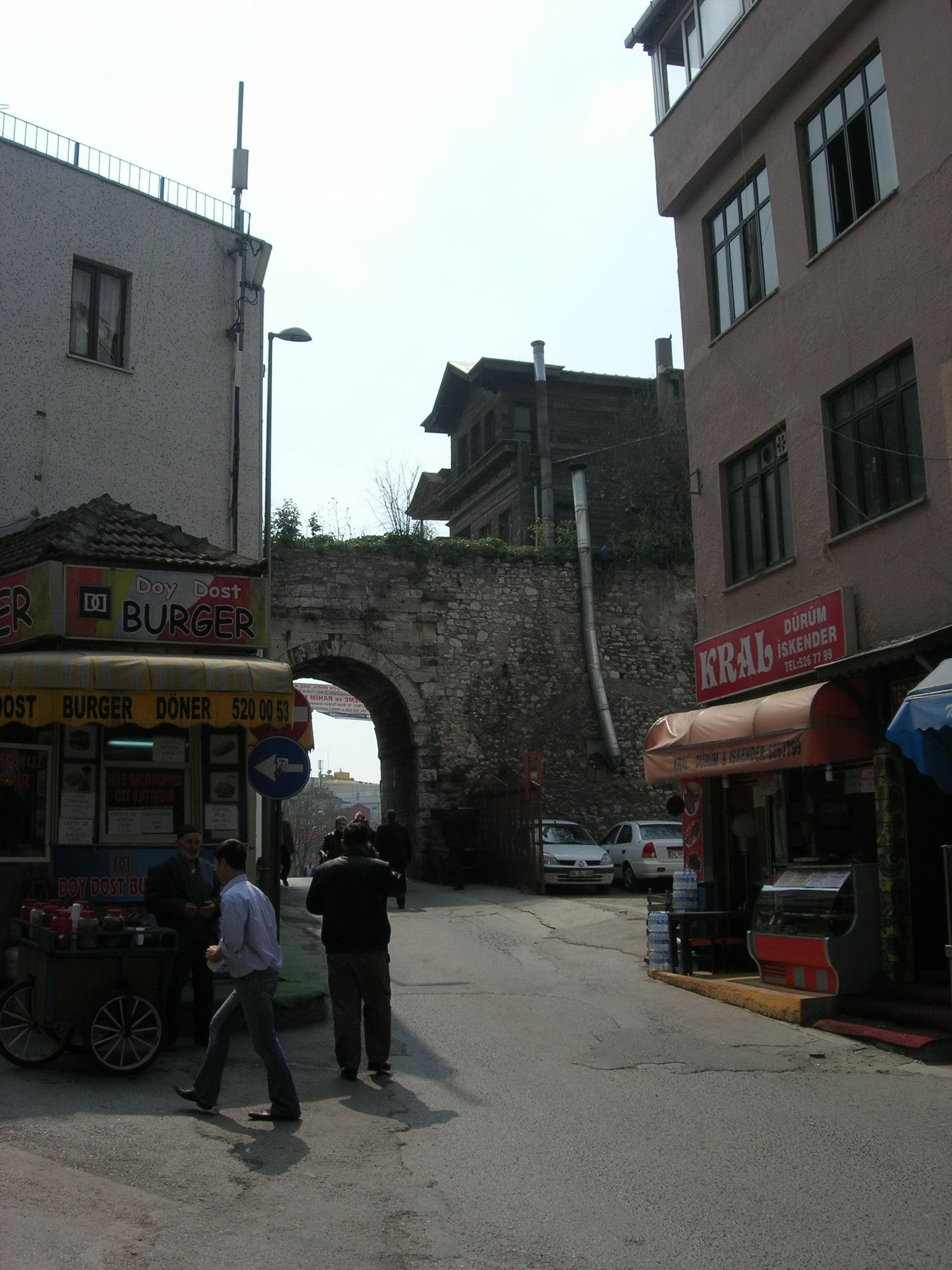
Kumkapı means sand gate — the old Byzantine gate in the sea walls where ships once tied up at the base of the historic peninsula. The neighbourhood that grew around it is one of the city's last layered ones: the Armenian Patriarchate of Constantinople still sits at its centre, Greek Orthodox parishes still hold services on Sundays, and the fish meyhanes in the covered passages still serve the same five fish at long tables on weekend nights.

Two and a half kilometres, evening only, the dinner is part of the walk. Arrive at Kumkapı Marmaray and head south toward the water. The Armenian Patriarchate is the heart — Surp Asdvadzadzin, the Cathedral of the Holy Mother of God, has been the Patriarch's seat since 1641. Modest dress for the courtyard; ask before entering during a service.

Walk back through the residential streets. Wooden houses, small grocers, the architectural rhythm of an Istanbul that survives in pockets.

End in the meyhanes. Telli Odalar Sokak and the streets around it are lined with covered tables and white tablecloths, fish on ice in the windows. Order palamut if it's autumn, lüfer if it's winter, rakı always. Walk back to Marmaray slowly.

The route

On the map.

Stops along the way

Things to notice.

  1. 01
    1

    Kumkapı Marmaray

    The Marmaray crosses under the Bosphorus from Sirkeci and stops here — Kumkapı station, three minutes' walk from the old sea walls. Step off and walk south; the meyhane district unfolds below you.

  2. 02
    2

    Armenian Patriarchate (Surp Asdvadzadzin)

    The Patriarchate of Constantinople moved here from Bursa in 1641; the current cathedral was rebuilt in the 1910s after a fire. The courtyard is open; the chapel interior is more restrained than you'd expect — Armenian liturgical aesthetic favours simplicity. Sunday services around 9am.

  3. 03
    3

    Panaghia Eleousa (Greek Orthodox)

    A working Greek Orthodox parish a few streets from the Patriarchate. Services on Sundays and Greek feast days; otherwise the courtyard is quiet enough to sit a minute. Istanbul's Greek population is now in the low thousands; the parishes that keep going are doing it on continuity alone.

  4. 04
    4

    The old residential streets

    Walk back uphill through the lanes between the patriarchates and the meyhanes. Painted wooden houses, small bakkals, the kind of streets where everyone knows everyone. This is the Istanbul that doesn't show up in guidebooks because nothing here is for sale.

  5. 05
    5

    Telli Odalar Sokak

    The lane is the dinner. Covered roof, white tablecloths under it, fish on ice in the window of every restaurant. Pick the one that's full of locals (rarely the ones with English menus); order the meze platter without thinking about it; ask what's fresh.

  6. 06
    6

    Back to Kumkapı Marmaray

    The Marmaray runs late — last train around midnight. Walk back up through the streets you came from. Or stay; one more rakı.