walkwalk.
Spitalfields: the market, the streets, the silk
heritagefood-forward

Spitalfields: the market, the streets, the silk

The best preserved 18th-century streets in London, and a neighbourhood that's been immigrant and radical since the Huguenots.

Distance

3 km

Time

~ 65 min

Start

Liverpool Street

End

Aldgate East

Best at

morning

Right now
28°C· Clear

12 nearby transit lines disrupted — Waterloo & City, District.

Open in Maps for turn-by-turn, or take it offline as GPX.

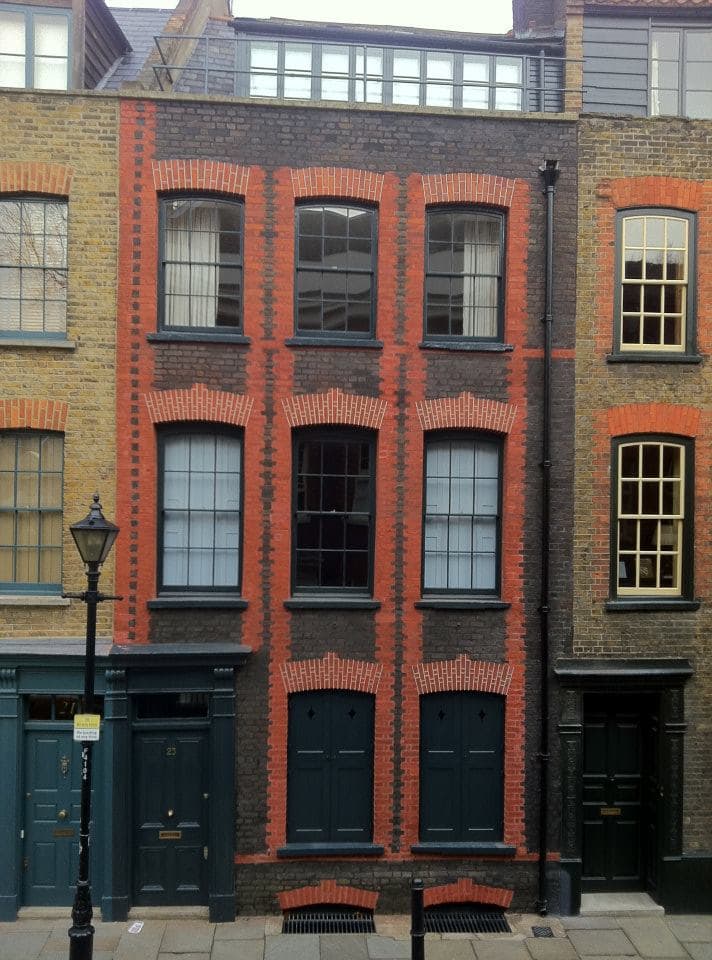
Spitalfields is where London keeps its history least curated. The Huguenot silk weavers arrived after the Edict of Fontainebleau in 1685; their terraces on Fournier Street are still standing and still private residences. The neighbourhood became Jewish in the 19th century, Bangladeshi in the 20th, and is now being gently dissolved by finance-industry money, but it moves slowly enough that the layers are still visible.

Fournier Street is the spine: walk its length slowly and note number 19, which has been a chapel, a synagogue, and a mosque without ever being demolished. Dennis Severs' House nearby requires a booking and rewards it. End at the Whitechapel Gallery, which has been showing serious art since 1901 and is free.

The route

On the map.

Elevation

4 m·7 m·1621 m ASL

Stops along the way

Things to notice.

  1. 01
    1

    Old Spitalfields Market

    Weekday stalls, Sunday traders, the original market hall. Better on Thursdays and Sundays. The food stalls in the east end are the ones worth stopping at.

  2. 02
    2

    Fournier Street

    One Huguenot terrace after another. Number 19 has been a chapel, a synagogue, and a mosque as the neighbourhood changed hands. The most historically dense street in London.

  3. 03
    3

    Dennis Severs' House

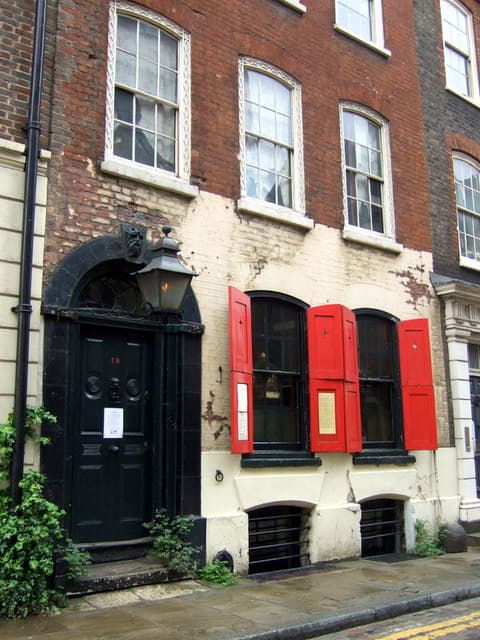
    18 Folgate Street. A candlelit recreation of an 18th-century silk-weaver's home, left as if the family just stepped out. Book at least a week ahead; it books out.

  4. 04
    4

    Hanbury Street

    Where Jack the Ripper's second victim was found; now known for good coffee and the Ten Bells at the southern end. The street itself tells four centuries of east London history.

  5. 05
    5

    Whitechapel Gallery

    Free. At the far end of Commercial Street. The gallery that gave Francis Bacon and Picasso their first London shows. The end-of-walk show, whatever it is.