Skip to content
walkwalk.
Ryogoku: the sumo town
heritageriverside

Ryogoku: the sumo town

The wrestlers' district by the river — the arena, the hotpot, an Edo garden, and the Sumida.

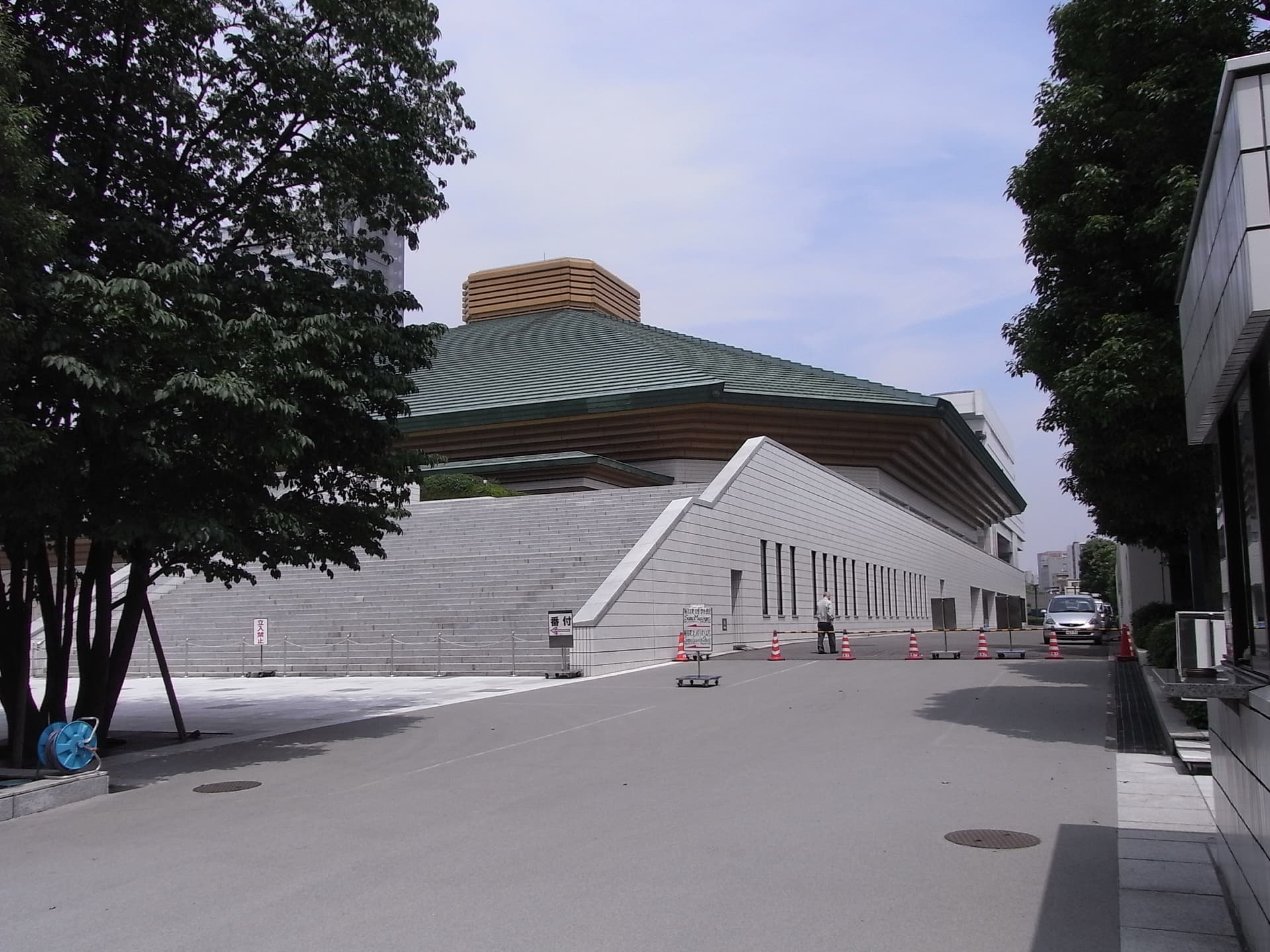
Photo: 江戸村のとくぞう / Wikimedia Commons, CC BY-SA 4.0

Drafted by Claude — the editor hasn’t walked this one yet. We’ll update this notice once it’s been verified on the ground.

Distance

3 km

Time

~ 75 min

Difficulty

Easy

End

Morishita (Toei Oedo / Shinjuku lines)

Best at

afternoon

Right now
30°C· Mostly clear

Open in Maps for turn-by-turn, or take it offline as GPX.

Ryogoku is a one-industry town inside the city, and the industry is sumo. Three kilometres by the river take in the arena, the stables, the hotpot the wrestlers eat, an old feudal garden, and a park that carries some of Tokyo's heaviest history.

Start at the Ryogoku Kokugikan, the national sumo hall — green-roofed, banner-hung, the champions' portraits out front. Most days there's no tournament, but the building sets the key. The streets around it are the stable district: heya where wrestlers live and train, nameplates by the doors, the thud of practice through an open shutter if you're early. Lunch is chanko-nabe (the sumo hotpot), often served by men who once fought in the ring — one pot feeds a wrestler, so come hungry.

North lies Yokoami-cho Park, and the mood turns: this is the memorial ground for the 1923 firestorm and the 1945 raids, and it asks to be walked quietly. Then the Kyu-Yasuda teien (garden), a feudal pond now free and empty, before the Sumida embankment carries you down to Morishita.
The route

On the map.

Elevation

32 m·27 m·115 m ASL

Stops along the way

Things to notice.

  1. 01
    1

    Ryogoku Kokugikan

    Start at the national sumo arena, the green-roofed hall where the Tokyo tournaments are held. There's no bout on most days — but the building, the banners, and the giant champions' portraits outside set the tone for everything that follows.

  2. 02
    2

    The stable district

    The blocks around the arena are full of *heya* — the stables where wrestlers live and train. You won't go in, but early mornings you can sometimes hear the practice through an open shutter. Walk the side streets and read the nameplates.

  3. 03
    3

    The chanko-nabe restaurants

    *Ryogoku* is where you eat *chanko-nabe* (the sumo hotpot), often in restaurants run by retired wrestlers. Lunch is the affordable way in — a single pot is built for a wrestler's appetite, so come hungry or come sharing.

  4. 04
    4

    Yokoami-cho Park

    A quiet park north of the arena, and a heavy one: it holds the memorial to the 1923 earthquake firestorm and the 1945 air raids, where tens of thousands died on this ground. Walk it with that in mind; the hall and gardens are a place of mourning, not a photo stop.

  5. 05
    5

    Kyu-Yasuda Garden

    A small Edo *teien* (garden) built around a tidal pond, once a feudal lord's, now free and almost always empty. Twenty minutes round the water is the calmest the walk gets.

  6. 06
    6

    Sumida riverside walk

    End on the *Sumida* embankment, the *Ryogoku-bashi* and the bridges strung north and south, pleasure boats below. Follow the river down towards Morishita for the metro.