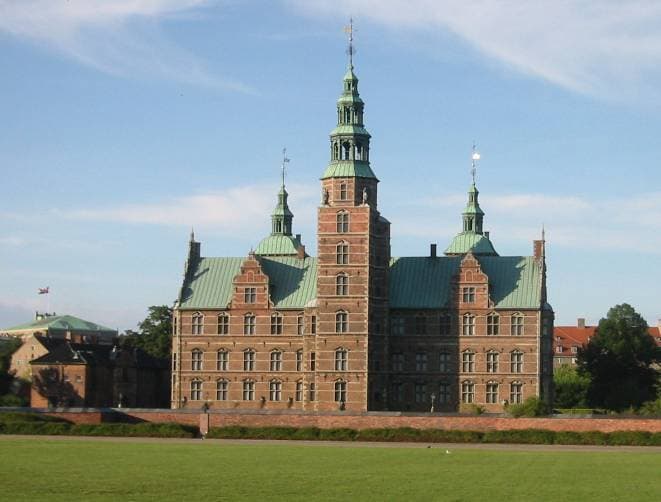
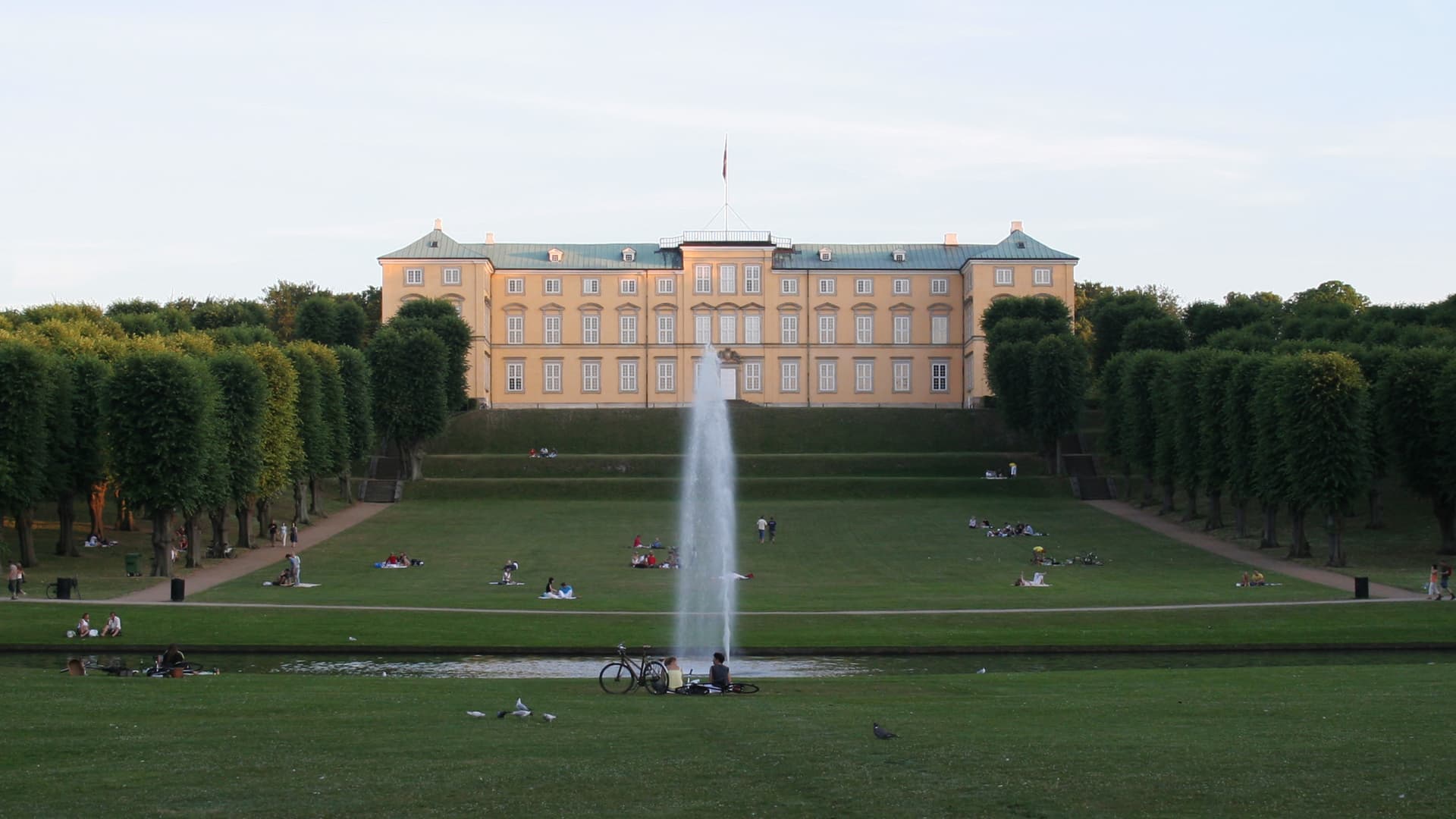
walkwalk.
The old ramparts: Tivoli to Kastellet
parklandheritage

The old ramparts: Tivoli to Kastellet

The green ring of Copenhagen's old fortifications — five parks in a row from the gardens to the star fort.

Drafted by Claude — the editor hasn’t walked this one yet. We’ll update this notice once it’s been verified on the ground.

Distance

5 km

Time

~ 120 min

Start

Rådhuspladsen metro (M3)

End

Østerport S-tog

Best at

afternoon

Right now
23°C· Partly cloudy

Open in Maps for turn-by-turn, or take it offline as GPX.

Copenhagen's seventeenth-century city ramparts came down in the nineteenth, and where the walls stood, the city planted a green ring. The walk traces the ghost of the old fortifications: Tivoli (gardens built on the former ramparts in 1843), Botanisk Have, Ørstedsparken, Østre Anlæg, and Kastellet — the star fort that was never demolished and is still working.

Five kilometres, two hours at a strolling pace. Start at Tivoli's main gate at Rådhuspladsen — pay to go in if you've never, otherwise the perimeter is the walk's first stretch. North past the Botanical Garden's Palm House to Ørstedsparken with the lake and the H.C. Ørsted bust. Cross Nørre Voldgade into the cultural cluster — Statens Museum for Kunst and Hirschsprung are book-ended by Østre Anlæg's pond and lawns.

The walk peaks at Kastellet, the 17th-c star fortress still in military use, the earthen ramparts walkable in a slow loop. Den Lille Havfrue sits a few hundred metres beyond on her rock at Langelinie — overphotographed and smaller than you expect, but the closing of the ring is here. Østerport S-tog is fifteen minutes south for the train back.
The route

On the map.

Stops along the way

Things to notice.

  1. 01
    1

    Tivoli main gate (Rådhuspladsen)

    *Tivoli* opened on the cleared southern ramparts in 1843 — Georg Carstensen's gardens-and-pleasure-park experiment that's still working a hundred and eighty years on. Pay to go inside (the wooden *Rutschebanen* roller coaster is worth it); otherwise the perimeter wall is the walk's opening kilometre.

  2. 02
    2

    Botanisk Have

    Across *H.C. Andersens Boulevard* on the old rampart land. The *Palmehus* (1874) is the iron-and-glass centrepiece, free entry; the rest is a University of Copenhagen botanical collection laid out on the moat-and-bank topography of the old fortification.

  3. 03
    3

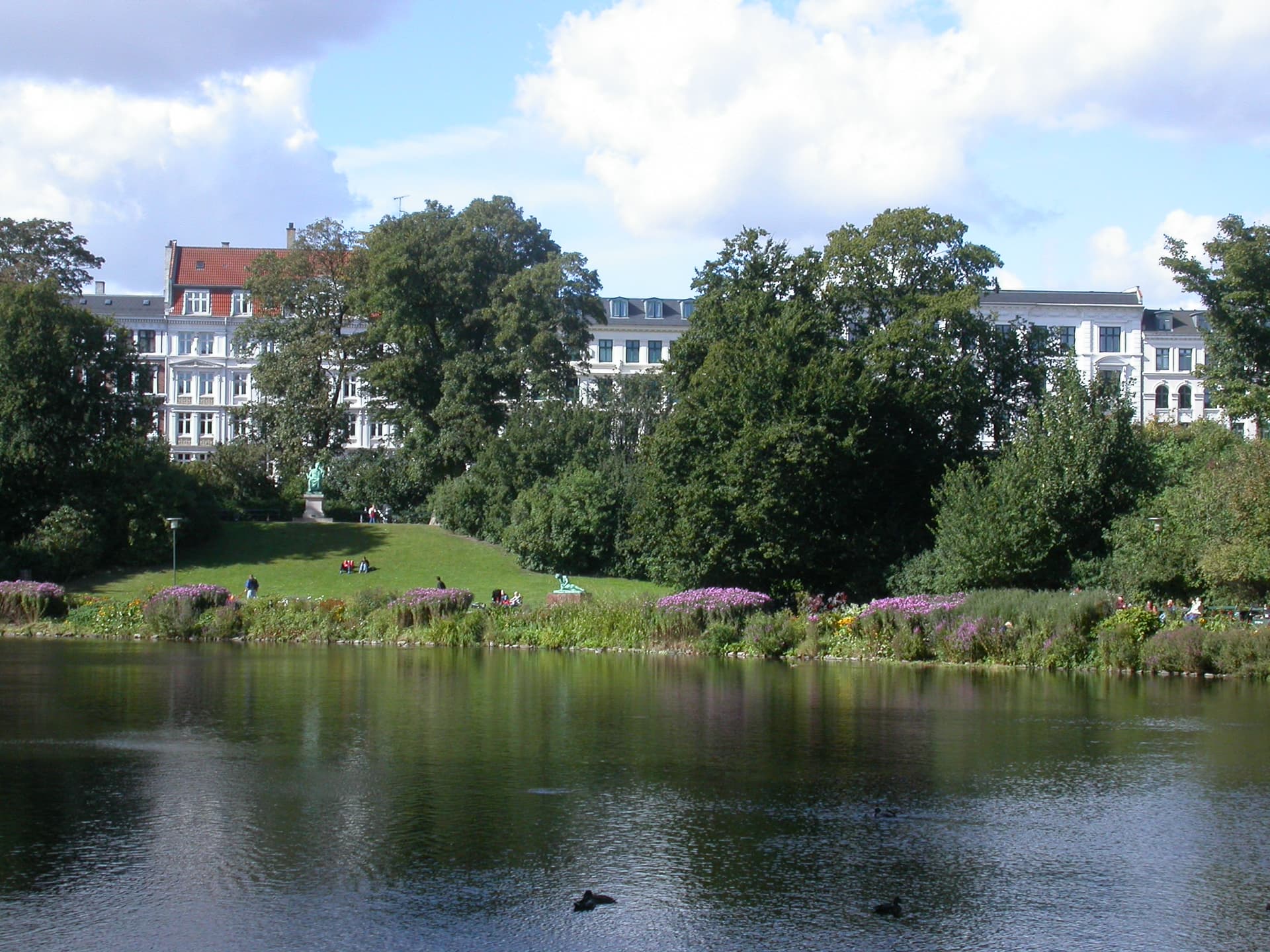
    Ørstedsparken

    A small landscaped park between Botanisk Have and *Israels Plads*. Named for *H.C. Ørsted*, who discovered electromagnetism in Copenhagen in 1820 (the bust is here, the actual lab was nearby). The pond in the middle is the old defensive moat re-shaped.

  4. 04
    4

    Statens Museum for Kunst

    *SMK*, the national gallery, faces *Østre Anlæg* on the rampart land. The original Wilhelm Petersen + Vilhelm Dahlerup neo-Renaissance building (1896) joined to C.F. Møller's 1998 glass extension. Free entry to the collection; the lakeside facade is the architectural side.

  5. 05
    5

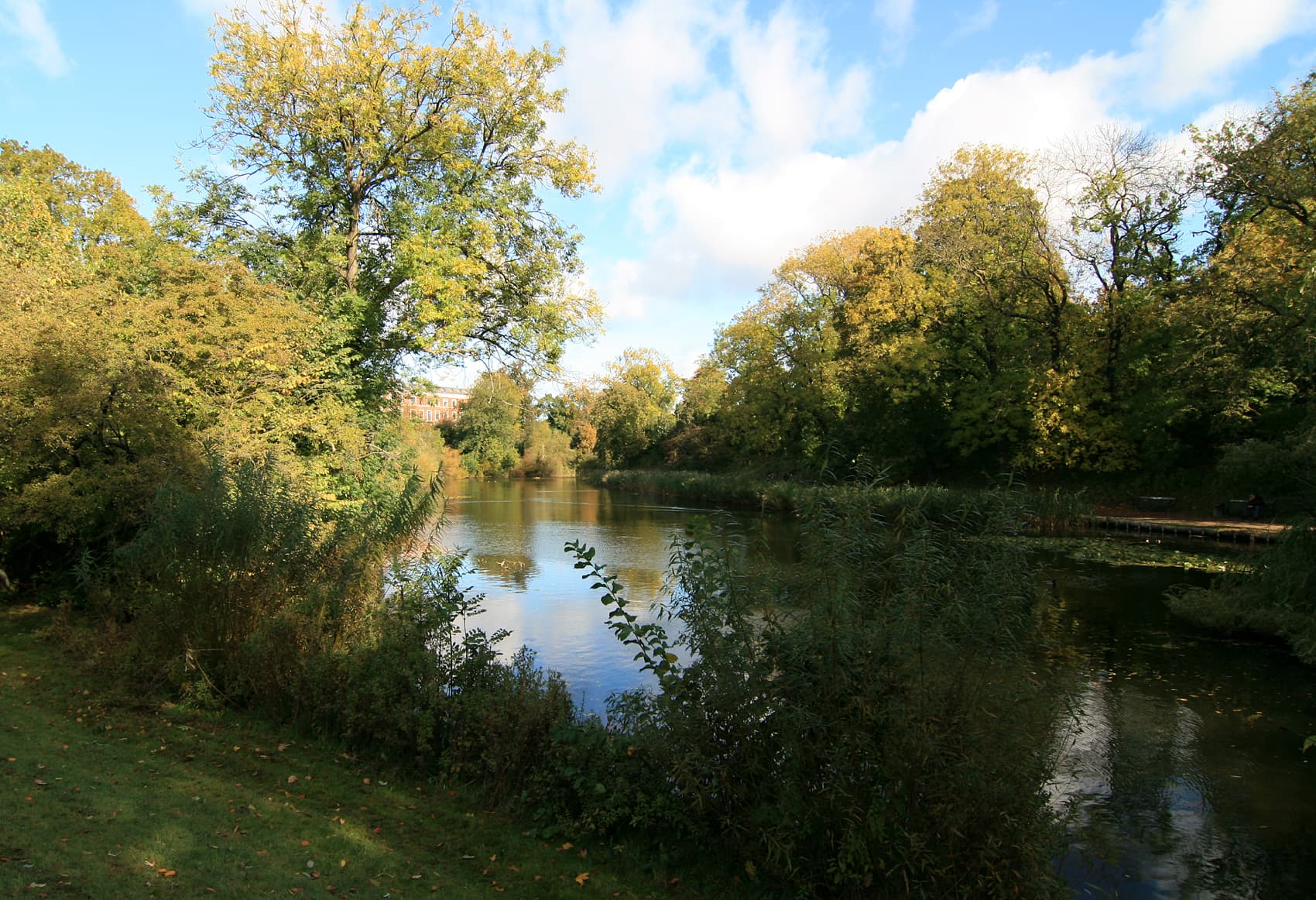
    Østre Anlæg

    The park between SMK and the *Hirschsprung* Collection. Curved lawns over the old eastern rampart, ponds in the moat dips, trees that have had a century and a half to settle. The most lived-in stretch of the ring.

  6. 06
    6

    Kastellet (the star fort)

    The 17th-c star-shaped fortress is the only stretch of the old ramparts still standing — still in military use, but the earthen ramparts and the inner courtyard are open during the day. Walk the rampart in a slow loop; the geometric perfection of a five-pointed star fortification reads better from the wall-top than from any map.

  7. 07
    7

    Den Lille Havfrue and Østerport S-tog

    *Den Lille Havfrue* — Edvard Eriksen's 1913 bronze, the most overphotographed object in Denmark — sits on her stone at *Langelinie*, closing the green ring at the harbour. Walk fifteen minutes south-west through Kastellet's gates to *Østerport* S-tog for the train back.