walkwalk.
Victoria to Tate Britain: Pimlico on foot
artleafy

Victoria to Tate Britain: Pimlico on foot

The quiet squares, the stucco, and a gallery people keep forgetting to visit.

Distance

3.5 km

Time

~ 70 min

Start

Victoria

End

Pimlico

Best at

afternoon

Right now
28°C· Clear

12 nearby transit lines disrupted — Waterloo & City, District.

Open in Maps for turn-by-turn, or take it offline as GPX.

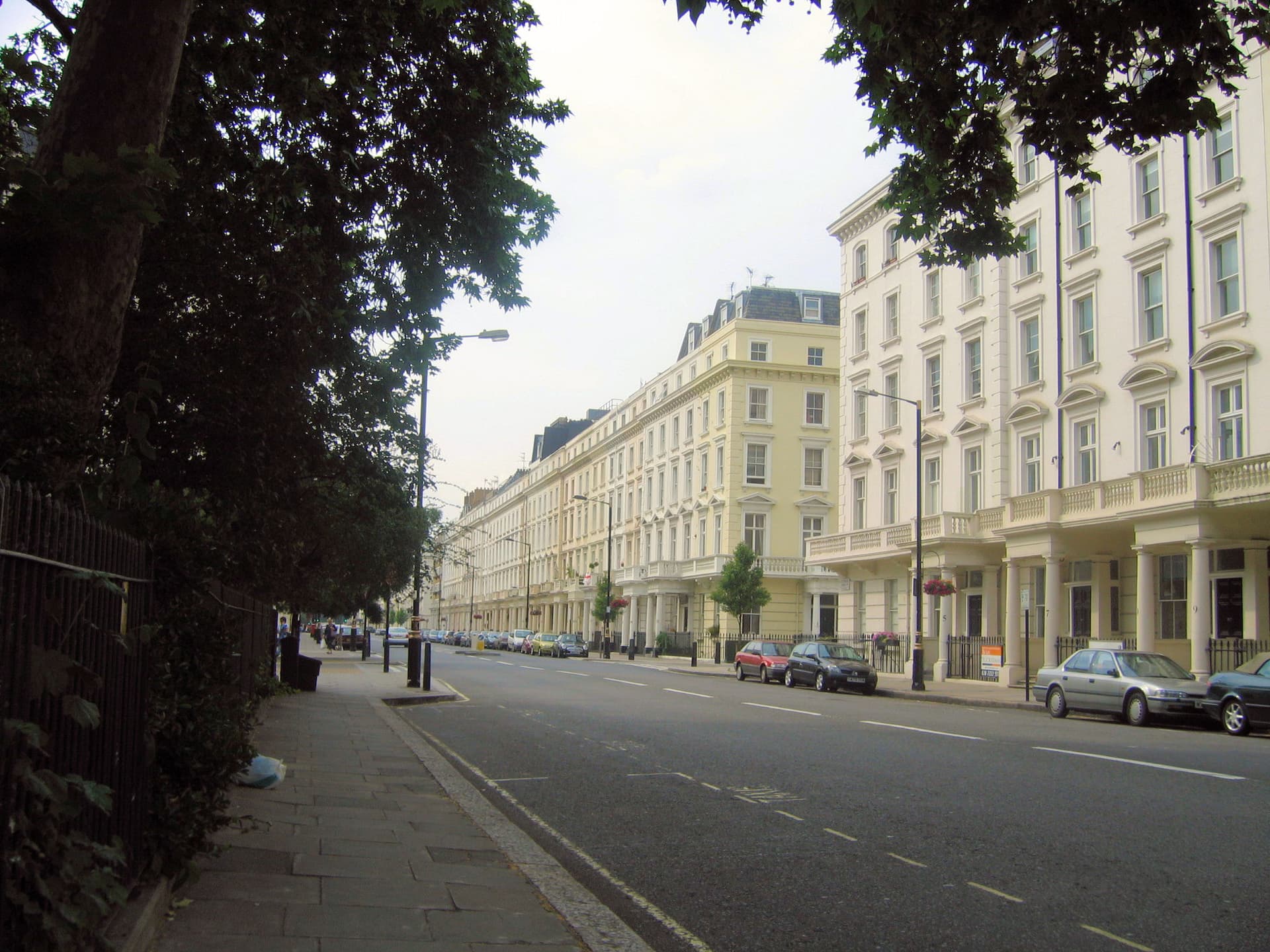
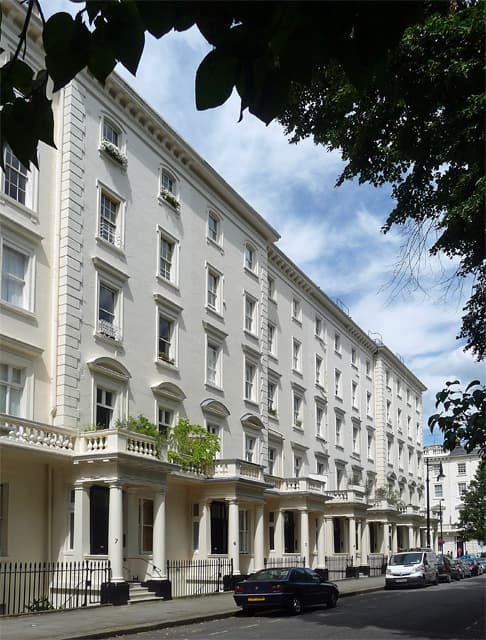
Pimlico is the neighbourhood Belgravia doesn't acknowledge. Same stucco, same garden squares, a quarter of the ambition and none of the self-regard. This walk takes the quietest possible line south from Victoria, through the grid of white terraces Thomas Cubitt built in the 1830s.

St George's Square is the centrepiece — a long formal garden between two rows of cream facades. Pimlico Road has the serious antique dealers; Warwick Square has the church and the mansard roofs. The whole thing deposits you at Tate Britain, London's most undervisited major museum. The Turner galleries are all there, in the best Turner room in the world. Go on a weekday and you may have them almost to yourself.

The route

On the map.

Elevation

26 m·37 m·820 m ASL

Stops along the way

Things to notice.

  1. 01
    1

    Victoria Station

    Come out the Wilton Road exit and head south. This side of Victoria — away from the coach station — is quieter and leads directly into Pimlico.

  2. 02
    2

    St George's Square

    Pimlico's grandest garden square. The plane trees are enormous; the residential calm complete. Sit on a bench and watch the locals walk their dogs.

  3. 03
    3

    Pimlico Road

    London's antiques strip. The shops are serious rather than decorative and the prices reflect it. A slow look costs nothing.

  4. 04
    4

    Warwick Square

    Slightly smaller, slightly quieter. A church at one end, a good pub at the other. Walk the full perimeter before moving on.

  5. Tate Britain5

    Tate Britain

    Free. The Turners in Rooms 1540 to 1545 are the reason to come. Give yourself an hour minimum — the permanent collection is quietly extraordinary.