Skip to content
walkwalk.
Bastille: the column and the railway in the air
parklandpost-industrial

Bastille: the column and the railway in the air

The July Column, then the planted viaduct that taught New York how to build the High Line.

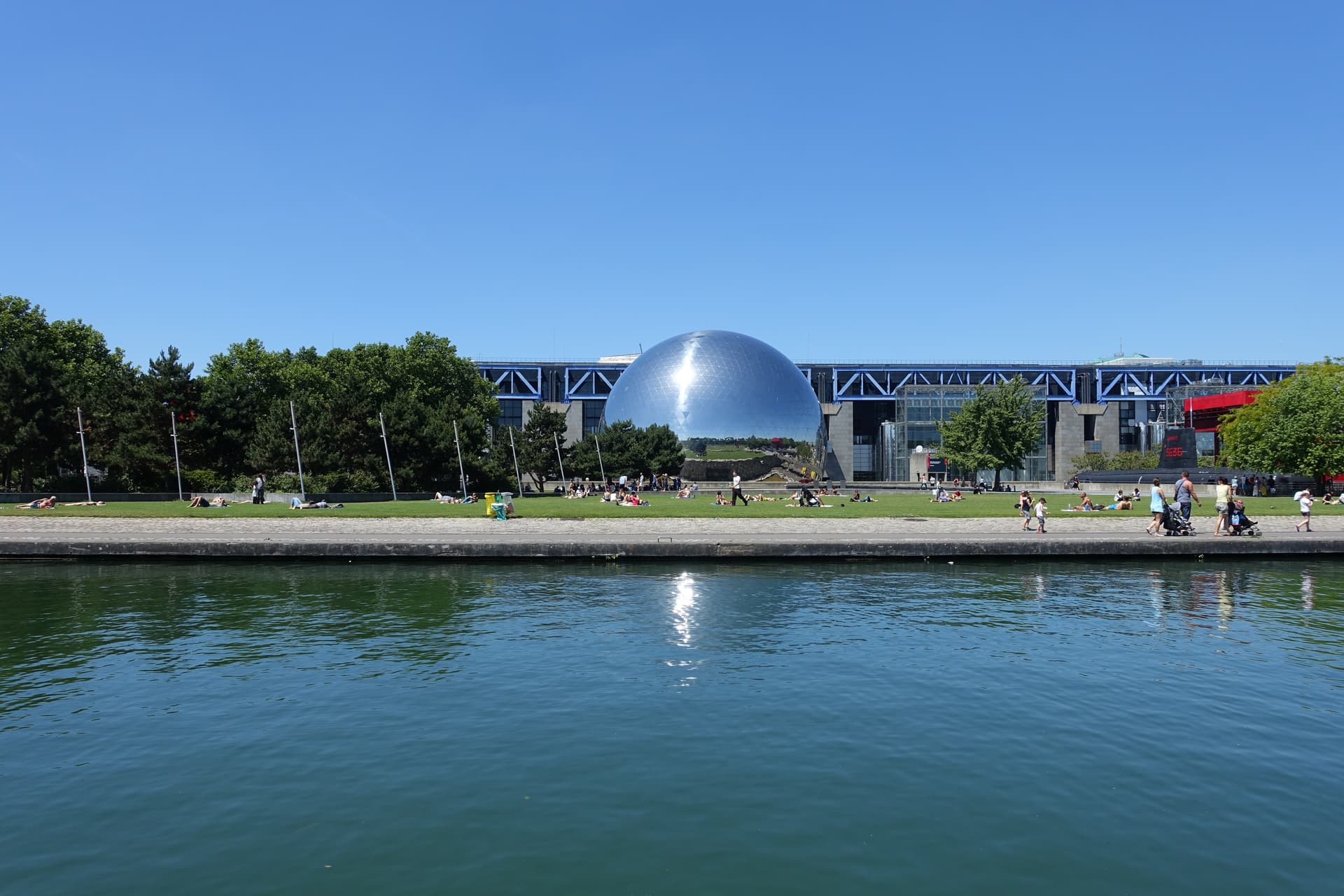
Photo: Guilhem Vellut / Wikimedia Commons, CC BY 2.0

Drafted by Claude — the editor hasn’t walked this one yet. We’ll update this notice once it’s been verified on the ground.

Distance

3.5 km

Time

~ 80 min

Difficulty

Easy

End

Daumesnil (M6/M8)

Best at

morning

Right now
25°C· Overcast

Open in Maps for turn-by-turn, or take it offline as GPX.

Bastille is two walks stacked on top of each other: a monument at ground level and a railway turned into a garden ten metres up. Do both, in that order, in the morning before the viaduct fills.

Start at the Place de la Bastille. The prison is gone — it's paving now, not a ruin — so look instead at the July Column, which commemorates the 1830 revolution and not, as everyone assumes, 1789. Past the glass bulk of the Opéra Bastille, find the stairs onto the Coulée verte René-Dumont: the old Vincennes railway viaduct, replanted with roses and lavender and bamboo, running above the traffic. This is the line the High Line studied. Walk the elevated stretch slowly; it's the whole point.

Drop down to the Viaduc des Arts in the arches below — an ébéniste (cabinetmaker), restorers, a luthier, all behind glass. Then back up and on to the Jardin de Reuilly, where the viaduct opens into lawn and a slung footbridge. Daumesnil takes you home from here, or keep going; the green line runs nearly to the périphérique if you want the long version.

The route

On the map.

Elevation

52 m·38 m·3858 m ASL

Stops along the way

Things to notice.

  1. 01
    1

    Place de la Bastille

    Start at the roundabout. The prison's long gone — its footprint is paving stones, not a building — so don't go looking for it. Come for the *place* itself, recently calmed for pedestrians and far more walkable than it used to be.

  2. 02
    2

    The July Column

    The bronze column with the gilded *Génie de la Liberté* on top commemorates 1830, not 1789 — a common mix-up worth getting right. You can't climb it; just orbit the base and read the names.

  3. 03
    3

    Opéra Bastille

    The 1989 opera house — glass and grey granite, loved by few at first, useful to everyone since. If there's a morning rehearsal you'll hear nothing, but the forecourt is a good place to get your bearings before the climb up to the viaduct.

  4. 04
    4

    Coulée verte René-Dumont

    Climb the stairs near Avenue Daumesnil onto the old railway viaduct. Roses, lavender, bamboo, ponds — a planted promenade in the air, ten metres above the traffic. This is the one the High Line copied. Walk the elevated section end to end.

  5. 05
    5

    Viaduc des Arts

    Down at street level, the viaduct's brick arches hold craft workshops — an *ébéniste* (cabinetmaker), restorers, a luthier or two. Glass-fronted, so you can watch the work even when the doors are shut. Drop down and walk the arcade, then climb back up.

  6. 06
    6

    Jardin de Reuilly

    The viaduct widens into a real garden with a suspension footbridge and a big open lawn — the spot to stop if you've brought coffee. After here the planted walk continues at ground level toward the edge of the 12th.

  7. 07
    7

    Daumesnil metro

    Come off the promenade near Daumesnil for the M6/M8 home, or keep walking the Coulée verte all the way to the *boulevard périphérique* if your legs are willing — it runs nearly five kilometres if you let it.