Skip to content
walkwalk.
Marvila and Beato: the creative warehouses
post-industrialquirky

Marvila and Beato: the creative warehouses

Wine cellars turned breweries, a military bakery turned tech hub, the river at the end.

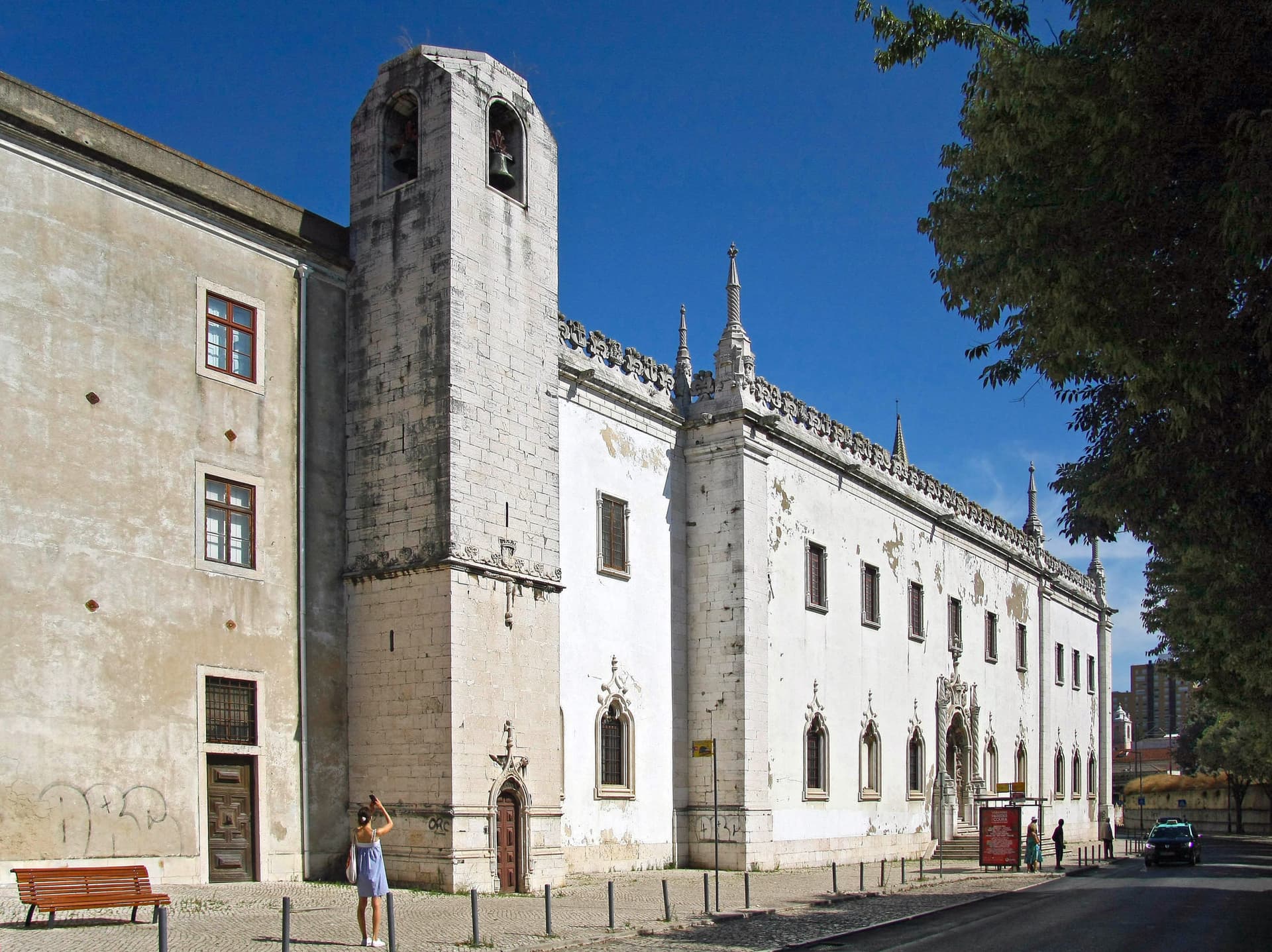
Photo: GualdimG / Wikimedia Commons, CC BY-SA 4.0

Drafted by Claude — the editor hasn’t walked this one yet. We’ll update this notice once it’s been verified on the ground.

Distance

3.2 km

Time

~ 75 min

Difficulty

Moderate

End

Santa Apolónia (metro)

Best at

afternoon

Right now
23°C· Partly cloudy

Open in Maps for turn-by-turn, or take it offline as GPX.

Marvila is what Lisbon does when it runs out of fashionable neighbourhoods and starts on the warehouses. The river east of Santa Apolónia was wine cellars, grain stores and a giant army bakery; over the last decade it has filled with breweries, galleries, a startup campus and one of the city's best new libraries. It still looks half-industrial, because it half is.

Start at the Biblioteca de Marvila — a riverside palace and grain store turned reading room with a garden out the back. From there the armazéns (warehouses) of the back streets are the real walk: craft taprooms and galleries behind plain doors that don't bother announcing themselves. Push one open.

North is the heavy stuff. The Fábrica Braço de Prata — an old munitions works now given over to concerts, a bookshop and a courtyard bar — runs mostly at night, so by day expect the shell. The Hub Criativo do Beato, the army's enormous old bakery, is turning into Lisbon's tech campus; walk the brick perimeter for the sheer scale. The Convento do Beato next door gives you the medieval version of the same riverside logic.

End on the Tagus path, walking the working river back to Santa Apolónia and the metro.
The route

On the map.

Elevation

107 m·90 m·425 m ASL

Stops along the way

Things to notice.

  1. 01
    1

    Biblioteca de Marvila

    Start at the library — a 17th-century riverside palace and grain store turned public reading room and garden. Sit in the back garden a minute; it sets the tone for a quarter that keeps reusing its old buildings.

  2. 02
    2

    Marvila warehouse strip

    The *armazéns* (warehouses) along the back streets are the heart of it — old wine-and-grain stores now holding craft breweries, taprooms and galleries behind plain doors. Pick a door; the good ones rarely advertise.

  3. 03
    3

    Fábrica Braço de Prata

    A former munitions works turned sprawling arts venue — concerts, a bookshop, studios, a courtyard bar. Hours are night-leaning, so daytime you'll mostly see the shell; check what's on before you build the evening around it.

  4. 04
    4

    Hub Criativo do Beato

    The old Manutenção Militar — the army's vast 19th-century bakery and supply complex — is becoming Lisbon's flagship tech and startup campus. Walk the perimeter for the scale of the brickwork even where the inside isn't open.

  5. 05
    5

    Convento do Beato

    Next door, the old convent the whole district is named for — now an events hall, but the bones are monastic and the riverside setting is the reason it was built here. Worth the short detour for the contrast with the bakery.

  6. 06
    6

    Beato riverside path

    Drop to the Tagus and follow the edge back south-west toward the city. Container yards, old cranes, the bridge in the distance — the working river, then the towers of Santa Apolónia and the metro home.